09/04/2026
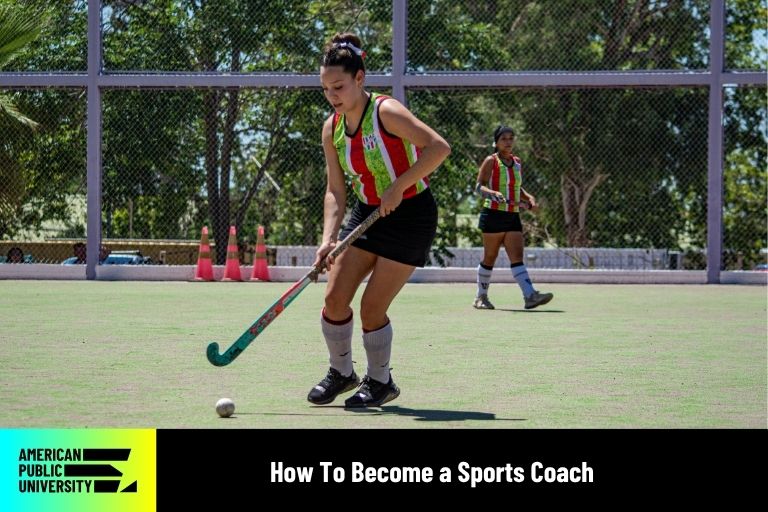
Sports coaches help athletes and teams improve performance, build skills, and work together toward shared goals. The role focuses on teaching, planning, and leadership rather than playing, and often extends beyond the field to include guidance on mindset, conduct, and long‑term development.
For those who are curious about sports coaching and want a clearer picture of what coaching roles entail, it also helps to look at how people typically prepare for them and which skills and experiences are commonly associated with coaching at different levels.
What Is Sports Coaching?
Sports coaching is the process of guiding athletes and teams through training, competition, and development so they can perform at their best. Coaches plan practices, teach techniques and tactics, and make decisions about lineups and game plans.
Unlike players, who focus on executing skills during competition, coaches are usually responsible for designing training sessions, analyzing performance, making adjustments, and supporting athletes’ growth over time. Coaches may also communicate with parents, administrators, and support staff, which makes their role broader than on‑field play.
Why Become a Sports Coach?
People often describe coaching as rewarding because it allows them to see athletes grow in skill, confidence, and character over seasons and years. Many coaches highlight moments such as helping someone learn a new skill, recover from a setback, or reach a long‑term goal as reasons they stay in the field.
Coaching can also have lasting impact beyond wins and losses. Coaches can influence attitudes toward teamwork, resilience, and sportsmanship, and may help athletes develop habits that support health and discipline in other parts of life.
Sports Coaching Roles and Professional Development
Coaching roles exist at many levels, including community and youth programs, school teams at the middle and high school level, college or university athletics, clubs and academies, and professional and semi-professional teams.
Career paths often show movement from assistant roles into positions with more responsibility. A common pattern is starting as a volunteer or assistant coach, then progressing into head coach roles at a level that matches the coach’s experience and qualifications. Some coaches move between levels over time, depending on opportunities and interests.
Alongside coaching positions, sports organizations may offer non‑coaching roles such as director of coaching, athletic director, performance analyst, strength and conditioning coach, or operations and logistics roles. These positions support teams and programs even if they are not directly responsible for practice and game coaching.
Qualifications Needed to Become a Sports Coach
Qualifications for coaches vary by sport and level, but many organizations look for some combination of baseline education, such as a high school diploma or bachelor's degree, along with relevant coaching certifications or licenses for the sport and level.
Practical experience—especially time actually coaching or assisting with teams—is often emphasized because it demonstrates credibility and familiarity with the realities of training and competition. Coaches may build professional portfolios that include team records, tournament participation, sample practice plans, and descriptions of roles they’ve held.
Education Requirements for Sports Coaches
Many school and college coaching roles list a bachelor’s degree as a typical expectation, though exact requirements vary by institution. Degrees in areas such as physical education, kinesiology, sports management, or related fields can be relevant because they introduce topics like coaching theory, motor learning, exercise science, and sport psychology.
Coursework in a bachelor's degree in sports management often covers leadership, organizational management, and other topics that can support coaching and athletic administration.
Some coaches later pursue a master’s degree, often when they aim for roles that combine coaching with teaching, administration, or leadership responsibilities.
Graduate study in sports management, sports and health sciences, or athletic administration can provide more depth in planning, leadership, and program design, and online master’s options may be especially relevant for working coaches who want to continue coaching while they study.
Sports Coaching Certifications and Licenses
Sports and leagues often have their own coaching education pathways. Governing bodies for sports such as soccer, basketball, or volleyball, as well as national federations, may offer:
- Introductory coaching courses or “level 1” certifications
- Progressive licenses or badges that cover more advanced tactics and age‑group considerations
- Safety or youth‑specific modules
In school settings, some regions require coaches to hold a state or national coaching license that covers rules, safety, and ethics.
First aid and CPR certifications are also commonly requested, and some organizations expect coaches to complete training related to concussion awareness, heat illness prevention, and other safety topics.
Practical Experience and Playing Background
Practical experience is central to coaching preparation. Many coaches begin by:
- Volunteering as an assistant with a local youth or school team
- Helping with camps, clinics, or club programs
- Supporting practice setup, drills, and game‑day logistics
Internships with clubs, athletic departments, or community recreation programs can provide additional exposure to scheduling, communication, and program management. As coaches accumulate hours of hands‑on work, they can document responsibilities and achievements in a resume or portfolio.
Playing experience can be helpful for some coaches, especially in understanding the feel and timing of a sport, but it is not the only way to learn coaching. Some coaches come from backgrounds in teaching, performance analysis, or other sports‑related fields and build their coaching skills over time.
Essential Skills for Sports Coaches
Coaching involves both technical and interpersonal skills. Common competencies include:
- Leadership and clear communication, so athletes understand expectations and feedback.
- Performance analysis, including watching games or practice footage, recognizing patterns, and using data to adjust training.
- Basic knowledge of injury prevention and sports medicine, such as warm‑up and cool‑down routines, load management, and recognizing when to refer athletes to qualified medical professionals.
Organizational skills, adaptability, and the ability to work well with staff, officials, and families also support effective coaching.
Day‑to‑Day Duties of a Coach
Day‑to‑day responsibilities vary by level and sport, but often include:
- Planning training sessions that align with team goals and competition schedules.
- Teaching and reinforcing technical skills and tactical concepts.
- Scouting opponents or reviewing game video to prepare strategies.
- Evaluating athletes’ progress and tracking performance metrics over time.
- Mentoring athletes on mindset, teamwork, and conduct off the field or court.
Coaches also handle practical tasks such as communication about schedules, coordinating equipment and facilities, and working with administrators or league officials.
How to Become a Coach: Common Steps
While no single path applies to everyone, most coaching careers develop through a similar set of building blocks. People entering coaching roles often follow a sequence that includes:
- Choosing a primary sport or set of sports to focus on.
- Completing relevant education, which may include a bachelor's degree in a field connected to coaching or teaching.
- Gaining practical experience through assistant and volunteer roles, camps, or clinics.
- Obtaining required coaching licenses or sport-specific certifications for the level they want to coach.
- Building a professional network locally and online, including connections with other coaches, administrators, and mentors.
The exact order and emphasis of these steps vary based on opportunities and local requirements.
Professional Growth for Sports Coaches
As coaches accumulate experience and results, some pursue positions at higher levels or in more specialized areas.
As coaches accumulate experience and results, some pursue positions at higher levels or in more specialized areas. Advancement can include moving into more competitive leagues or age groups.
Others specialize in areas such as strength and conditioning, performance analysis, goalkeeper or position coaching, or sport psychology support.
Some combine coaching experience with advanced degrees or certifications to move into roles such as director of coaching, program coordinator, or athletic administrator.
Progression often depends on a combination of experience, education, network, and timing within a particular sport community.
Preparing to Apply for Coaching Positions
When applying for coaching roles, candidates often focus on:
- Crafting a resume that highlights measurable achievements, such as team improvements, tournament participation, or successful development of athletes.
- Preparing a short coaching philosophy statement that explains their approach to training, competition, and athlete development.
- Collecting references from mentors, supervisors, or colleagues who can speak to their coaching skills, reliability, and ethics.
Interview processes may include questions about handling difficult situations, designing practice plans, and aligning coaching with the organization’s values.
Next Steps to Become a Sports Coach
Getting started in sports coaching often begins with setting clear goals for education, coaching experience, and certifications. Volunteering with youth teams, school programs, or community leagues can provide valuable hands-on experience while helping build relationships within the coaching community. Seeking guidance from experienced coaches and participating in clinics or workshops can also strengthen coaching skills and introduce new strategies and perspectives.
Because coaching pathways vary by sport, organization, and region, there is no single route to becoming a sports coach. Many coaches refine their approach over time as they gain experience, pursue additional education or certifications, and discover opportunities that align with their interests and long-term goals.
Frequently Asked Questions about Becoming a Sports Coach
Common questions about coaching pathways include:
Is a degree required for coaching roles?
Some coaching positions, especially in schools and colleges, list a bachelor’s degree as a requirement, while others focus more on certifications and experience. Requirements are set by each organization.
Is playing experience necessary to coach?
Playing experience can help, but it is not strictly required for all roles. Many coaches build credibility through coaching education, experience, and results.
How long does it usually take to reach professional coaching levels?
Timelines differ widely. Some coaches spend many years in youth or school roles before reaching higher levels, while others move more quickly depending on opportunities and networks.