By Kate Zuritsky | 02/03/2026
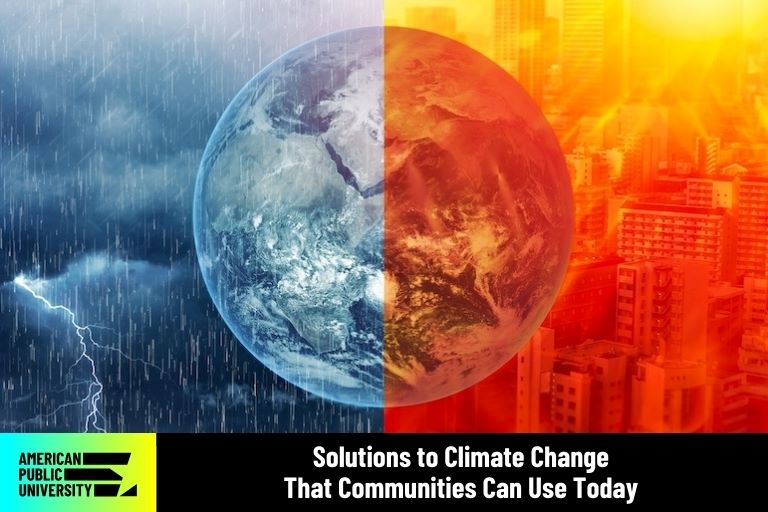
What does it take to solve climate change? Dissecting changes to our climate and the underlying causes can feel like an impossible task.
Opinions about the state of our climate vary across countries, political systems, world leaders, and industries, influencing how it’s understood and its solutions. Climate change is sometimes seen as an inconvenience, a hoax, or a problem to be addressed in the future, rather than right now.
But let’s be honest: many people are already feeling the effects of climate change. Flash floods, heatwaves, and sudden superstorms with whipping winds and lightning are becoming more common. It’s time to take note of these unpredictable weather patterns and understand why they’re happening more frequently.
What’s Causing Changes to Our Climate?
Climate changes is driven by rising greenhouse gas (GHG) emissions, including carbon dioxide released by fossil fuels, deforestation, and manufacturing. These emissions play a critical role in global warming and are linked to various environmental impacts, such as:
- Extreme weather
- Air pollution
- Disruptions to water supplies and ecosystems
Finding solutions to climate change is rarely straightforward. It requires joint efforts to decrease our carbon footprint, improve energy efficiency, and restore natural carbon-storing systems.
Many climate solutions are already underway worldwide. Expanding renewable energy, adopting cleaner transportation, and restoring natural systems can reduce climate impacts and build resilience. Together, these solutions can increase the effectiveness of climate action.
Understanding the Climate Crisis
Essentially, climate change is caused by human activities that release vast amounts of greenhouse gases into the atmosphere.
Most of these gases come from burning oil, coal, and gas. These fossil fuels are used to produce energy, power transportation, and industrial activity. Emissions are also released during land clearing for agriculture and development.
These greenhouse gases trap heat in the atmosphere, warming our planet and leading scientists to link rising temperatures to intense weather conditions. In fact, fossil fuels account for the largest share of global greenhouse gas emissions. As these emissions add up, they accelerate global warming and its effects worldwide.
As the gases rise and more heat is trapped in the atmosphere, the impacts become more visible. Rising sea levels, unpredictable weather, and changes to Earth’s ecosystems and wildlife habitats are all linked to climate change.
Once you understand the science behind the climate crisis, it becomes easier to explain why it’s so important to do whatever’s possible to limit global warming. You will also have a better grasp on why it’s become a huge priority for governments, industries, and communities around the world.
How the Impacts of Climate Change Affect Humans and Nature
The impacts of climate change disrupt people, animals, and nature in many ways. Rising temperatures and unpredictable weather patterns negatively impact the air we breathe, the water we drink, and the food we eat.
Research from the National Oceanic and Atmospheric Administration (NOAA) shows that the impacts of changes to our climate are already affecting our daily lives and resources, which impacts our:
- Water
- Food
- Health
- Earth
- Infrastructure
Water
Climate change has already affected our water supply in many ways. Warmer temperatures may cause some areas to experience heavier, more frequent rainfall and flooding, while other communities deal with droughts and water shortages.
Hot weather and heat waves cause plants to lose water more quickly, requiring farmers to replace that water to keep crops alive. Warmer weather also reduces snowmelt, an important source of fresh water for many communities. But when temperatures rise, there’s less snow, making it harder for many regions that rely on snowmelt to meet water demands.
Food
Climate change can make the weather more unpredictable, negatively impacting food production, nutrient management, and supply chains. Farmers and ranchers may battle heatwaves, droughts, and sudden deep freezes, which destroy crops and kill livestock. Although they may use new technologies and practices to mitigate risks, some are more difficult to manage and have effects on livestock and people’s health.
Health
It’s no secret that extreme weather conditions and harsh climates can negatively impact human health. Unpredictable weather patterns, including flash floods, hurricanes, and wildfires, put humans at risk in different ways.
When ocean temperatures rise, hurricanes get stronger and can kill people either during the storm or in the aftermath. Dry weather conditions can cause wildfires, which in turn can trigger particle pollution that can lead to asthma, heart attacks, and death.
Flooding can spread waterborne diseases and cause injuries. In addition, some regions are seeing an uptick in mosquito- and tick-borne diseases due to warmer weather.
Earth
The impacts of climate change can be felt across the globe. In ecosystems such as the Arctic, melting ice sheets and glaciers are causing sea levels to rise. When sea levels rise, coastal wetlands must be put on high alert for erosion and storm surge. Rising sea levels can also increase sedimentation and damage coral reefs.
You’ve probably noticed that some trees and plants are blooming earlier, while invasive species are popping up in areas that previously didn’t have to deal with those pests. Meanwhile, other species are either adapting or migrating to new places to survive.
Infrastructure
Much of our infrastructure can be negatively impacted by extreme weather events. This infrastructure includes:
- Communication systems
- Ports
- Electrical grids
- Public transportation
Most community infrastructure was designed without climate change in mind. As a result, it may not withstand weather like heavy rainstorms, blizzards, or strong winds.
By strengthening infrastructure and improving long-term planning, communities can prepare for and respond to risks. Extreme heat will require more indoor air conditioning, which strains the energy grid. Coastal infrastructure, such as roads, bridges, and ports, is more at risk of flooding and erosion. However, taking proactive measures to mitigate these issues can improve a community’s climate resilience.
Why It’s Important to Reduce Emissions
You may have heard a lot about carbon emissions, but it’s not always clear what the term means. These emissions are gases released into the atmosphere when fuels such as coal, natural gas, and oil are burned for:
- Energy
- Land use
- Industrial processes
- Transportation
Carbon dioxide is the most common form of carbon emission, and it naturally moves between the atmosphere, oceans, and land. It is produced and absorbed by plants, animals, and microorganisms.
According to the Environmental Protection Agency (EPA), carbon dioxide is the largest contributor to greenhouse gas emissions in the United States, mainly from burning fossil fuels for energy and transportation. Since carbon dioxide traps heat in the atmosphere, it’s crucial to reduce these emissions to help address climate change and limit future climate impacts.
Fossil Fuels and Emissions
Fossil fuels have been used for energy since the Industrial Revolution, powering electricity, vehicles, and industries. While there are some benefits to using fossil fuels, burning them is the largest source of global carbon emissions. That’s why limiting fossil fuel use is so important for reducing greenhouse gas emissions and slowing global warming.
Renewable Energy and Climate Solutions
Renewable energy is energy from nature-based sources that occur naturally and can be used continuously from the earth, such as:
- Sunlight
- Wind
- Heat
Renewable energy sources can generate electricity with little to no carbon emissions. Since renewable energy sources do not rely on coal, oil, or natural gas, these sources can help reduce greenhouse gas emissions while helping society meet energy needs.
While fossil fuels take millions of years to form and must be burned to release their energy, renewables like solar and wind energy use energy that is already in existence. When you transition from these fuels to renewables, you’re helping to tackle climate change because it eliminates emissions.
Some of the most common forms of renewable energy include:
- Solar energy – Captures sunlight using photovoltaic solar panels or mirrors and turns it into electricity, natural lighting, and fuel
- Wind energy – Uses large wind turbines to harness the kinetic energy of moving air to generate electricity
- Hydropower – Harnesses the power of moving water from higher to lower elevations and is often generated from reservoirs and rivers
- Geothermal power – Uses geothermal reservoirs or wells to extract heat from the earth’s interior to generate electricity
- Ocean energy – Creates energy using the kinetic and thermal energy of seawater to produce electricity or heat
As energy consumption grows, it becomes increasingly important to understand how electricity is generated and the critical role it plays in combating climate change. Power plants release large amounts of GHG emissions, contributing to pollution. By contrast, renewable energy sources can produce electricity with little to no emissions.
As communities use more energy, using less energy through renewables can:
- Reduce air pollution
- Improve air quality
- Deliver cleaner air and better health
Climate Change Solutions
Modern-day solutions focus on reducing GHG emissions, storing carbon, and strengthening our energy systems, transportation, and natural environments. By using a combination of strategies to address climate change, we can help slow down global warming and tackle global climate change. Climate science offers a wide range of practical, cost-effective ways for individuals and communities to combat climate change.
Current research from the EPA suggests that some of the most impactful ways we can address the global climate crisis are to:
- Reduce our emissions and energy use, such as our electricity use
- Improve transportation choices
- Lower our carbon footprint
Reduce Carbon Emissions and Energy Use
Communities and individuals can reduce their consumption of electricity and fossil fuels, which will decrease the demand for fossil fuel-based power generation. Even though it seems we’ll probably need more energy in the future, we can limit emissions by improving energy efficiency. These emission-reduction strategies can help reduce pollution, leading to cleaner air and better health for everyone.
Improve Transportation Choices
Transportation is one of the world’s biggest polluters, especially in areas that are still reliant on vehicles using gasoline and diesel fuel. Meanwhile, electric vehicles produce no tailpipe emissions, which reduces polluted air since they are paired up with clean energy sources.
When we expand our private and public transportation options to include electric vehicles, we can lower our carbon footprint and improve air quality. In densely populated areas and low-income communities with increased pollution exposure, improved air quality would be healthier for children and adults.
Lower Our Carbon Footprint
When you reduce waste and recycle materials such as glass and plastic containers, that is a highly effective way to lower GHG emissions and climate change effects. Food waste is especially bad because it is a big category of the materials sent to U.S. landfills. Food waste produces methane, a very powerful greenhouse gas.
The EPA suggests that another effective approach is to buy fewer goods. To further reduce emissions tied to manufacturing, shipping, and disposal, it’s also important to:
- Choose reusable or durable consumer goods
- Consider installing solar panels to use the sun's energy
- Donate unused or unwanted items
- Recycle glass, plastic, metal, and paper whenever possible
Community Action Plays a Critical Role in Climate Resilience
Communities play a huge role in climate change and emissions reduction, as well as making decisions that affect health, land use, and environmental hazards. When communities work together and use local resources, they can create useful climate solutions.
This work may include:
- Learning what climate issues impact your area
- Identifying vulnerable groups such as low-income and Indigenous communities
- Joining local planning and advisory boards
- Investigating the possibility of using other sources of power, such as nuclear power plants
Nature-Based Climate Solutions
Nature-based solutions focus on working with natural systems to mitigate climate change. Forests, wetlands, and other ecosystems absorb carbon from the atmosphere, helping reduce the amount of carbon contributing to global warming. Because climate change affects ecosystems, protecting and restoring natural areas plays a critical role in positive climate action and supports wildlife and humans.
Forests, Biodiversity, and Protected Lands
Planting more forests is one of the best nature-based carbon removal strategies because trees remove carbon from the atmosphere. Through photosynthesis, trees absorb carbon dioxide and store it in their trunks, roots, and soil. That’s why it’s so important to protect and restore forests by planting trees and restoring damaged or destroyed land.
These actions help prevent additional carbon from entering the atmosphere while preserving biodiversity and wildlife habitats. National parks and other protected lands play an important role in preserving forests and ecosystems and encourage environmental stability.
Coastal Ecosystems and Peatlands
Coastal wetlands, including mangrove ecosystems, salt marshes, and seagrass beds, store large amounts of carbon. They also protect shorelines from erosion and flooding.
For instance, the tangled roots of mangrove trees act as natural barriers against storms and the rise and fall of tides. Their roots slow the movement of tidal waters, stabilizing the coastline and reducing erosion.
Peatlands are terrestrial wetland ecosystems that store more carbon than any other terrestrial ecosystem. Protecting peatlands helps to prevent carbon from being released into the atmosphere.
Carbon Capture and Restoration
Carbon capture and storage (CCS) is a climate technology designed to keep carbon dioxide out of the atmosphere. CCS captures carbon dioxide at the source and stores it underground.
For instance, carbon dioxide produced by power plants or industrial facilities is separated before it can escape into the atmosphere. It is then transported by pipelines and injected into deep rock formations. From there, the carbon is moved to storage hubs, which are large underground reservoirs. These hubs can help reduce emissions from different sectors such as manufacturing and power generation.
Cost-Effective Ways to Fight Climate Action
Many climate change solutions are not only effective at decreasing greenhouse gas emissions, but also cost-effective and have many environmental benefits. For instance, forests and wetlands naturally store carbon and protecting them improves resilience. These solutions are more affordable than engineered infrastructure because they use existing ecological functions to absorb carbon and reduce environmental risks.
Since climate change affects hundreds of millions of people worldwide, investing in planting trees, restoring nature, and enhancing natural carbon storage can go further than ever before. Carbon removal strategies are an affordable way to reduce global warming while protecting wildlife and humans and providing fresher air and water.
The Bachelor of Science in Environmental Science at APU
For adult learners interested in learning more about environmental science and climate solutions, American Public University (APU) offers an online Bachelor of Science in Environmental Science. This bachelor’s degree has courses in a wide variety of topics, including water science, atmospheric science, soil science, and sustainability. Other courses include environmental economics, general ecology, and remote sensing and geographic information systems.
In addition, this B.S. in environmental science offers three concentrations to suit the educational needs of students:
- Climate change and resilience
- Fish and wildlife management
- General
For more details, visit APU’s math and science degree program page.