09/04/2026
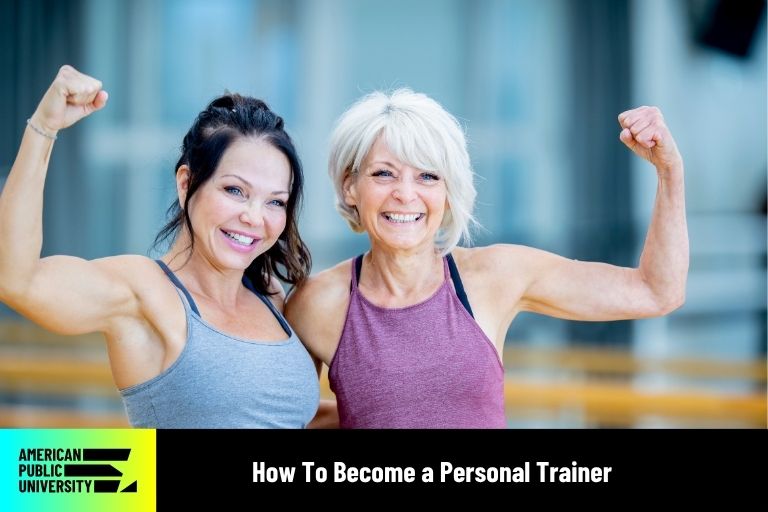
Personal trainers help people improve their fitness through individualized exercise instruction, goal setting, and ongoing support. They work with clients of varying ages, fitness levels, and abilities in settings such as health clubs, wellness centers, community recreation programs, private studios, and independent practice. Whether the goal is improving overall wellness, building strength, or developing healthy exercise habits, personal trainers play an important role in helping clients exercise safely and effectively.
Becoming a personal trainer typically involves developing a strong foundation in exercise science, earning a recognized certification, and gaining practical experience working with clients. Some aspiring trainers also pursue a bachelor's degree in sports and health sciences or a related field to deepen their understanding of anatomy, physiology, nutrition, and human performance.
The path to becoming a personal trainer can vary depending on an individual's education, certification requirements, and professional goals, but it commonly includes building foundational knowledge, developing practical skills, and continuing professional growth throughout a fitness career.
What Does a Personal Trainer Do?
Personal trainers work with clients to develop safe, effective exercise programs based on individual fitness levels, goals, and health considerations. They demonstrate proper exercise techniques, monitor progress, provide motivation, and adjust training plans as clients build strength, endurance, flexibility, or other fitness-related skills.
Depending on their role, personal trainers may work in fitness centers, health clubs, community recreation programs, corporate wellness settings, or private practice. Some specialize in working with specific populations, such as older adults, athletes, or individuals who are beginning a fitness routine, while others provide general fitness instruction to a wide range of clients.
Most personal trainers combine technical knowledge with strong communication and interpersonal skills. Building trust, encouraging clients, and adapting workouts to individual needs are all important parts of helping clients exercise safely and work toward their personal fitness goals.
Choose the Right Personal Trainer Program
There are several educational pathways that can help prepare aspiring personal trainers for the profession. While some people pursue certification directly, others choose to build a broader foundation by earning a bachelor's degree in sports and health sciences or a related field. Coursework in subjects such as exercise science, anatomy, physiology, nutrition, and kinesiology can help students develop knowledge that supports safe and effective fitness instruction.
Many personal trainers also complete a certification program to demonstrate competency in areas such as program design, client assessment, and exercise technique. When selecting a certification, look for one that is accredited by the National Commission for Certifying Agencies (NCCA), as many employers recognize NCCA-accredited credentials as an industry standard.
Depending on the educational pathway, students may also have opportunities to develop practical skills through supervised learning experiences, internships, or hands-on training. Combining formal education, industry certification, and real-world experience can help prepare future personal trainers to work with a variety of clients and fitness goals.
Three Steps to Become a Certified Personal Trainer
A common path into the field includes three broad steps:
- Complete a personal trainer education program or exam-prep pathway aligned with a recognized certification.
- Pass the certified personal trainer exam.
- Build practical experience through supervised sessions, entry-level roles, shadowing, or internships.
Not every employer or training organization structures these steps in exactly the same way, but this sequence is a useful planning framework for many new trainers.
How to Prepare for the CPT Exam
A structured study schedule can make exam prep more manageable. Many students break preparation into weekly goals, such as reviewing one major content domain at a time, completing chapter summaries, and checking progress with practice questions.
Official practice tests can be especially useful because they help students become familiar with question style, pacing, and exam logic. Some candidates also join live review sessions or exam-prep workshops if those are offered by the certifying organization or training provider.
Before test day, students should review logistics carefully, including scheduling deadlines, identification requirements, testing format, and any policies on rescheduling or retakes. Confirming those details early can help avoid last-minute issues.
Build Practical Skills as a Personal Trainer
Certification prep is only one part of becoming job-ready. New trainers also benefit from practicing client intake conversations, basic fitness assessments, and the process of identifying goals, limitations, and exercise history.
Program design is another important skill area. Students should practice building progressive routines that match a client’s experience level and adapt over time rather than relying on one generic plan for everyone.
Mock training sessions can also be helpful, especially when paired with feedback from instructors, peers, or experienced trainers. Tracking simple client metrics such as attendance, consistency, movement quality, or baseline performance can also help new trainers learn how to document progress clearly and professionally.
Start Working as a Personal Trainer
Early career planning often includes deciding what services to offer, how sessions will be structured, and what pricing model makes sense for the setting. Some trainers work within a gym’s established system, while others gradually build independent packages for one-on-one training, small-group sessions, or virtual coaching.
Marketing may involve a mix of local outreach and online visibility. Depending on the business model, that could include a professional social profile, referral relationships, community partnerships, or a simple website explaining services and scheduling options.
Professional liability insurance is another practical consideration, especially for trainers working independently or outside a large employer’s coverage structure. Students should review what coverage may be required or recommended for their work setting before they begin offering services.
Certification Renewal and Ongoing Learning
Certified trainers usually need to renew their credentials on a recurring schedule and submit continuing education units or credits before the renewal deadline. Keeping a simple record of completed courses, renewal dates, and supporting documents can make that process easier to manage over time.
Some trainers later pursue specialty certifications in areas such as corrective exercise, strength training, youth fitness, senior fitness, or nutrition-related coaching, depending on scope-of-practice limits and career interests.
These credentials may broaden knowledge or support a more focused service offering, but outcomes vary based on employer expectations, local market conditions, and individual experience.
It can also be useful to document client progress and testimonials, with proper consent, as part of a professional portfolio. This type of recordkeeping may help demonstrate experience and service style when applying for roles or building an independent practice.
Take the Next Step Toward Becoming a Personal Trainer
Students preparing for certification often use a combination of official textbooks, exam-prep apps, practice quizzes, and workshop materials tied to the credential they plan to pursue. The most useful resources are usually the ones that align directly with the certifying organization’s current exam outline and policies.
Scheduling a target exam date can help turn general interest into a more concrete plan. Joining a professional community, whether through a certifying body, local fitness network, or study group, can also help students stay informed about exam prep, continuing education, and early-career expectations.
Because certification models, employer preferences, and fitness-industry roles vary, this pathway is best understood as a general roadmap rather than a guaranteed outcome. Actual timelines, costs, job settings, and career progression depend on factors such as training quality, local demand, practical experience, and the requirements of specific employers or clients.