Save @ APU
0Entrance Exams
About This Program
Prepare for tomorrow’s healthcare challenges today through the Bachelor of Science in Nursing program at American Public University (APU).
APU’s CCNE-accredited RN to BSN online program is designed for registered nurses who have earned a diploma or associate degree in nursing and have a current, active, and unencumbered license.
Our RN to BSN online program builds on your nursing competencies while putting you on the path to advanced education and opportunity in the rapidly changing healthcare industry. Our BSN degree coursework covers evidence-based practice, clinical decision-making, and community health.
The mission of the American Public University System's Nursing Program is to provide quality, affordable, and accessible higher education for professional registered nurses to foster lifelong learning through a spirit of inquiry in order to prepare students for service and leadership roles in a diverse and global society.
This baccalaureate program at American Public University System is accredited by the Commission on Collegiate Nursing Education.
NOTE: This program has specific admission requirements. This program is currently not open for admission to residents of Washington, D.C., or Washington state.
What You Will Do in APU's Bachelor's in Nursing
- Improve performance in the professional nursing role by developing leadership, management, sound clinical judgment and communication skills to improve the health of individuals, families, and communities
- Use interprofessional communication and collaborative skills with patients, families, and members of healthcare teams to achieve effective and efficient coordination of care
- Utilize evidence-based clinical practice guidelines and leadership principles to promote a culture of safety and achieve outcomes that are grounded in institutional values and professional ethics
- Apply informatics and healthcare technologies to access critical information, to collaborate with other professionals, and to facilitate optimal patient-centered care
- Apply scientific principles and the nursing process to evaluate responses to therapies and changes in patient health status
- Integrate knowledge of human and organizational behavior to lead teams and promote cultures of safety
- Analyze the impact of financial, regulatory, and political decisions on local, national and global health outcomes
- Synthesize knowledge of ethical, socioeconomic, and cultural factors to decrease health disparities, to advocate for vulnerable populations, and to provide culturally relevant healthcare to individuals, groups, and communities
- Employ a spirit of inquiry to embrace the value of lifelong learning and participate in professional activities that promote and shape the future of nursing
Degree at a Glance

$324**
-
Want to Learn More?
Program Requirements Printable Catalog Version
Select 2 course(s) from the following:
Course ID: 2613
| Registration Dates | Course Dates | Session | Weeks |
|---|---|---|---|
| 05/25/26 - 10/30/26 | 11/02/26 - 12/27/26 | Fall 2026 Session I | 8 Week session |
| 06/29/26 - 12/04/26 | 12/07/26 - 01/31/27 | Fall 2026 Session D | 8 Week session |
| 07/27/26 - 01/01/27 | 01/04/27 - 02/28/27 | Winter 2027 Session B | 8 Week session |
| 08/31/26 - 01/29/27 | 02/01/27 - 03/28/27 | Winter 2027 Session I | 8 Week session |
| 09/28/26 - 02/26/27 | 03/01/27 - 04/25/27 | Winter 2027 Session D | 8 Week session |
Course ID: 3002
| Registration Dates | Course Dates | Session | Weeks |
|---|---|---|---|
| 05/25/26 - 10/30/26 | 11/02/26 - 12/27/26 | Fall 2026 Session I | 8 Week session |
| 06/29/26 - 12/04/26 | 12/07/26 - 01/31/27 | Fall 2026 Session D | 8 Week session |
| 07/27/26 - 01/01/27 | 01/04/27 - 02/28/27 | Winter 2027 Session B | 8 Week session |
| 08/31/26 - 01/29/27 | 02/01/27 - 03/28/27 | Winter 2027 Session I | 8 Week session |
Course ID: 3003
| Registration Dates | Course Dates | Session | Weeks |
|---|---|---|---|
| 05/25/26 - 10/30/26 | 11/02/26 - 12/27/26 | Fall 2026 Session I | 8 Week session |
| 06/29/26 - 12/04/26 | 12/07/26 - 01/31/27 | Fall 2026 Session D | 8 Week session |
| 07/27/26 - 01/01/27 | 01/04/27 - 02/28/27 | Winter 2027 Session B | 8 Week session |
| 08/31/26 - 01/29/27 | 02/01/27 - 03/28/27 | Winter 2027 Session I | 8 Week session |
Course ID: 3006
| Registration Dates | Course Dates | Session | Weeks |
|---|---|---|---|
| 05/25/26 - 10/30/26 | 11/02/26 - 12/27/26 | Fall 2026 Session I | 8 Week session |
| 06/29/26 - 12/04/26 | 12/07/26 - 01/31/27 | Fall 2026 Session D | 8 Week session |
| 07/27/26 - 01/01/27 | 01/04/27 - 02/28/27 | Winter 2027 Session B | 8 Week session |
| 08/31/26 - 01/29/27 | 02/01/27 - 03/28/27 | Winter 2027 Session I | 8 Week session |
Course ID: 3007
| Registration Dates | Course Dates | Session | Weeks |
|---|---|---|---|
| 06/29/26 - 12/04/26 | 12/07/26 - 01/31/27 | Fall 2026 Session D | 8 Week session |
| 08/31/26 - 01/29/27 | 02/01/27 - 03/28/27 | Winter 2027 Session I | 8 Week session |
Course ID: 3014
| Registration Dates | Course Dates | Session | Weeks |
|---|---|---|---|
| 05/25/26 - 10/30/26 | 11/02/26 - 12/27/26 | Fall 2026 Session I | 8 Week session |
| 06/29/26 - 12/04/26 | 12/07/26 - 01/31/27 | Fall 2026 Session D | 8 Week session |
| 07/27/26 - 01/01/27 | 01/04/27 - 02/28/27 | Winter 2027 Session B | 8 Week session |
| 08/31/26 - 01/29/27 | 02/01/27 - 03/28/27 | Winter 2027 Session I | 8 Week session |
| 09/28/26 - 02/26/27 | 03/01/27 - 04/25/27 | Winter 2027 Session D | 8 Week session |
Course ID: 3024
| Registration Dates | Course Dates | Session | Weeks |
|---|---|---|---|
| 05/25/26 - 10/30/26 | 11/02/26 - 12/27/26 | Fall 2026 Session I | 8 Week session |
| 06/29/26 - 12/04/26 | 12/07/26 - 01/31/27 | Fall 2026 Session D | 8 Week session |
| 07/27/26 - 01/01/27 | 01/04/27 - 02/28/27 | Winter 2027 Session B | 8 Week session |
| 08/31/26 - 01/29/27 | 02/01/27 - 03/28/27 | Winter 2027 Session I | 8 Week session |
| 09/28/26 - 02/26/27 | 03/01/27 - 04/25/27 | Winter 2027 Session D | 8 Week session |
Course ID: 3028
| Registration Dates | Course Dates | Session | Weeks |
|---|---|---|---|
| 05/25/26 - 10/30/26 | 11/02/26 - 12/27/26 | Fall 2026 Session I | 8 Week session |
| 06/29/26 - 12/04/26 | 12/07/26 - 01/31/27 | Fall 2026 Session D | 8 Week session |
| 07/27/26 - 01/01/27 | 01/04/27 - 02/28/27 | Winter 2027 Session B | 8 Week session |
| 08/31/26 - 01/29/27 | 02/01/27 - 03/28/27 | Winter 2027 Session I | 8 Week session |
| 09/28/26 - 02/26/27 | 03/01/27 - 04/25/27 | Winter 2027 Session D | 8 Week session |
Course ID: 3029
| Registration Dates | Course Dates | Session | Weeks |
|---|---|---|---|
| 05/25/26 - 10/30/26 | 11/02/26 - 12/27/26 | Fall 2026 Session I | 8 Week session |
| 06/29/26 - 12/04/26 | 12/07/26 - 01/31/27 | Fall 2026 Session D | 8 Week session |
| 07/27/26 - 01/01/27 | 01/04/27 - 02/28/27 | Winter 2027 Session B | 8 Week session |
| 08/31/26 - 01/29/27 | 02/01/27 - 03/28/27 | Winter 2027 Session I | 8 Week session |
| 09/28/26 - 02/26/27 | 03/01/27 - 04/25/27 | Winter 2027 Session D | 8 Week session |
Course ID: 3033
| Registration Dates | Course Dates | Session | Weeks |
|---|---|---|---|
| 05/25/26 - 10/30/26 | 11/02/26 - 12/27/26 | Fall 2026 Session I | 8 Week session |
| 06/29/26 - 12/04/26 | 12/07/26 - 01/31/27 | Fall 2026 Session D | 8 Week session |
| 07/27/26 - 01/01/27 | 01/04/27 - 02/28/27 | Winter 2027 Session B | 8 Week session |
| 08/31/26 - 01/29/27 | 02/01/27 - 03/28/27 | Winter 2027 Session I | 8 Week session |
| 09/28/26 - 02/26/27 | 03/01/27 - 04/25/27 | Winter 2027 Session D | 8 Week session |
Course ID: 3037
| Registration Dates | Course Dates | Session | Weeks |
|---|---|---|---|
| 05/25/26 - 10/30/26 | 11/02/26 - 12/27/26 | Fall 2026 Session I | 8 Week session |
| 06/29/26 - 12/04/26 | 12/07/26 - 01/31/27 | Fall 2026 Session D | 8 Week session |
| 07/27/26 - 01/01/27 | 01/04/27 - 02/28/27 | Winter 2027 Session B | 8 Week session |
| 08/31/26 - 01/29/27 | 02/01/27 - 03/28/27 | Winter 2027 Session I | 8 Week session |
| 09/28/26 - 02/26/27 | 03/01/27 - 04/25/27 | Winter 2027 Session D | 8 Week session |
Course ID: 3532
| Registration Dates | Course Dates | Session | Weeks |
|---|---|---|---|
| 05/25/26 - 10/30/26 | 11/02/26 - 12/27/26 | Fall 2026 Session I | 8 Week session |
| 06/29/26 - 12/04/26 | 12/07/26 - 01/31/27 | Fall 2026 Session D | 8 Week session |
| 07/27/26 - 01/01/27 | 01/04/27 - 02/28/27 | Winter 2027 Session B | 8 Week session |
| 08/31/26 - 01/29/27 | 02/01/27 - 03/28/27 | Winter 2027 Session I | 8 Week session |
| 09/28/26 - 02/26/27 | 03/01/27 - 04/25/27 | Winter 2027 Session D | 8 Week session |
Course ID: 3634
| Registration Dates | Course Dates | Session | Weeks |
|---|---|---|---|
| 05/25/26 - 10/30/26 | 11/02/26 - 12/27/26 | Fall 2026 Session I | 8 Week session |
| 06/29/26 - 12/04/26 | 12/07/26 - 01/31/27 | Fall 2026 Session D | 8 Week session |
| 07/27/26 - 01/01/27 | 01/04/27 - 02/28/27 | Winter 2027 Session B | 8 Week session |
| 08/31/26 - 01/29/27 | 02/01/27 - 03/28/27 | Winter 2027 Session I | 8 Week session |
| 09/28/26 - 02/26/27 | 03/01/27 - 04/25/27 | Winter 2027 Session D | 8 Week session |
Course ID: 4693
| Registration Dates | Course Dates | Session | Weeks |
|---|---|---|---|
| 05/25/26 - 10/30/26 | 11/02/26 - 12/27/26 | Fall 2026 Session I | 8 Week session |
| 06/29/26 - 12/04/26 | 12/07/26 - 01/31/27 | Fall 2026 Session D | 8 Week session |
| 07/27/26 - 01/01/27 | 01/04/27 - 02/28/27 | Winter 2027 Session B | 8 Week session |
| 08/31/26 - 01/29/27 | 02/01/27 - 03/28/27 | Winter 2027 Session I | 8 Week session |
| 09/28/26 - 02/26/27 | 03/01/27 - 04/25/27 | Winter 2027 Session D | 8 Week session |
Course ID: 4952
| Registration Dates | Course Dates | Session | Weeks |
|---|---|---|---|
| 05/25/26 - 10/30/26 | 11/02/26 - 12/27/26 | Fall 2026 Session I | 8 Week session |
| 06/29/26 - 12/04/26 | 12/07/26 - 01/31/27 | Fall 2026 Session D | 8 Week session |
| 07/27/26 - 01/01/27 | 01/04/27 - 02/28/27 | Winter 2027 Session B | 8 Week session |
| 08/31/26 - 01/29/27 | 02/01/27 - 03/28/27 | Winter 2027 Session I | 8 Week session |
| 09/28/26 - 02/26/27 | 03/01/27 - 04/25/27 | Winter 2027 Session D | 8 Week session |
Course ID: 5073
| Registration Dates | Course Dates | Session | Weeks |
|---|---|---|---|
| 05/25/26 - 10/30/26 | 11/02/26 - 12/27/26 | Fall 2026 Session I | 8 Week session |
| 06/29/26 - 12/04/26 | 12/07/26 - 01/31/27 | Fall 2026 Session D | 8 Week session |
| 07/27/26 - 01/01/27 | 01/04/27 - 02/28/27 | Winter 2027 Session B | 8 Week session |
| 08/31/26 - 01/29/27 | 02/01/27 - 03/28/27 | Winter 2027 Session I | 8 Week session |
| 09/28/26 - 02/26/27 | 03/01/27 - 04/25/27 | Winter 2027 Session D | 8 Week session |
Course ID: 5246
| Registration Dates | Course Dates | Session | Weeks |
|---|---|---|---|
| 05/25/26 - 10/30/26 | 11/02/26 - 12/27/26 | Fall 2026 Session I | 8 Week session |
| 07/27/26 - 01/01/27 | 01/04/27 - 02/28/27 | Winter 2027 Session B | 8 Week session |
Course ID: 5247
| Registration Dates | Course Dates | Session | Weeks |
|---|---|---|---|
| 06/29/26 - 12/04/26 | 12/07/26 - 01/31/27 | Fall 2026 Session D | 8 Week session |
| 07/27/26 - 01/01/27 | 01/04/27 - 02/28/27 | Winter 2027 Session B | 8 Week session |
Course ID: 5248
| Registration Dates | Course Dates | Session | Weeks |
|---|---|---|---|
| 05/25/26 - 10/30/26 | 11/02/26 - 12/27/26 | Fall 2026 Session I | 8 Week session |
| 07/27/26 - 01/01/27 | 01/04/27 - 02/28/27 | Winter 2027 Session B | 8 Week session |
Course ID: 5249
| Registration Dates | Course Dates | Session | Weeks |
|---|---|---|---|
| 05/25/26 - 10/30/26 | 11/02/26 - 12/27/26 | Fall 2026 Session I | 8 Week session |
| 07/27/26 - 01/01/27 | 01/04/27 - 02/28/27 | Winter 2027 Session B | 8 Week session |
Course ID: 5250
| Registration Dates | Course Dates | Session | Weeks |
|---|---|---|---|
| 05/25/26 - 10/30/26 | 11/02/26 - 12/27/26 | Fall 2026 Session I | 8 Week session |
| 08/31/26 - 01/29/27 | 02/01/27 - 03/28/27 | Winter 2027 Session I | 8 Week session |
Course ID: 5251
| Registration Dates | Course Dates | Session | Weeks |
|---|---|---|---|
| 06/29/26 - 12/04/26 | 12/07/26 - 01/31/27 | Fall 2026 Session D | 8 Week session |
Course ID: 5412
| Registration Dates | Course Dates | Session | Weeks |
|---|---|---|---|
| 05/25/26 - 10/30/26 | 11/02/26 - 12/27/26 | Fall 2026 Session I | 8 Week session |
| 06/29/26 - 12/04/26 | 12/07/26 - 01/31/27 | Fall 2026 Session D | 8 Week session |
| 07/27/26 - 01/01/27 | 01/04/27 - 02/28/27 | Winter 2027 Session B | 8 Week session |
| 08/31/26 - 01/29/27 | 02/01/27 - 03/28/27 | Winter 2027 Session I | 8 Week session |
| 09/28/26 - 02/26/27 | 03/01/27 - 04/25/27 | Winter 2027 Session D | 8 Week session |
Course ID: 5598
Must take the following in this Section:
Course ID: 5452
| Registration Dates | Course Dates | Session | Weeks |
|---|---|---|---|
| 05/25/26 - 10/30/26 | 11/02/26 - 12/27/26 | Fall 2026 Session I | 8 Week session |
| 06/29/26 - 12/04/26 | 12/07/26 - 01/31/27 | Fall 2026 Session D | 8 Week session |
| 07/27/26 - 01/01/27 | 01/04/27 - 02/28/27 | Winter 2027 Session B | 8 Week session |
| 08/31/26 - 01/29/27 | 02/01/27 - 03/28/27 | Winter 2027 Session I | 8 Week session |
| 09/28/26 - 02/26/27 | 03/01/27 - 04/25/27 | Winter 2027 Session D | 8 Week session |
Select 1 course(s) from the following:
Course ID: 2895
| Registration Dates | Course Dates | Session | Weeks |
|---|---|---|---|
| 05/25/26 - 10/30/26 | 11/02/26 - 12/27/26 | Fall 2026 Session I | 8 Week session |
| 06/29/26 - 12/04/26 | 12/07/26 - 01/31/27 | Fall 2026 Session D | 8 Week session |
| 07/27/26 - 01/01/27 | 01/04/27 - 02/28/27 | Winter 2027 Session B | 8 Week session |
| 08/31/26 - 01/29/27 | 02/01/27 - 03/28/27 | Winter 2027 Session I | 8 Week session |
| 09/28/26 - 02/26/27 | 03/01/27 - 04/25/27 | Winter 2027 Session D | 8 Week session |
Course ID: 3694
| Registration Dates | Course Dates | Session | Weeks |
|---|---|---|---|
| 05/25/26 - 10/30/26 | 11/02/26 - 12/27/26 | Fall 2026 Session I | 8 Week session |
| 06/29/26 - 12/04/26 | 12/07/26 - 01/31/27 | Fall 2026 Session D | 8 Week session |
| 07/27/26 - 01/01/27 | 01/04/27 - 02/28/27 | Winter 2027 Session B | 8 Week session |
| 08/31/26 - 01/29/27 | 02/01/27 - 03/28/27 | Winter 2027 Session I | 8 Week session |
| 09/28/26 - 02/26/27 | 03/01/27 - 04/25/27 | Winter 2027 Session D | 8 Week session |
Course ID: 3725
| Registration Dates | Course Dates | Session | Weeks |
|---|---|---|---|
| 05/25/26 - 10/30/26 | 11/02/26 - 12/27/26 | Fall 2026 Session I | 8 Week session |
| 06/29/26 - 12/04/26 | 12/07/26 - 01/31/27 | Fall 2026 Session D | 8 Week session |
| 07/27/26 - 01/01/27 | 01/04/27 - 02/28/27 | Winter 2027 Session B | 8 Week session |
| 08/31/26 - 01/29/27 | 02/01/27 - 03/28/27 | Winter 2027 Session I | 8 Week session |
| 09/28/26 - 02/26/27 | 03/01/27 - 04/25/27 | Winter 2027 Session D | 8 Week session |
Course ID: 3726
| Registration Dates | Course Dates | Session | Weeks |
|---|---|---|---|
| 05/25/26 - 10/30/26 | 11/02/26 - 12/27/26 | Fall 2026 Session I | 8 Week session |
| 06/29/26 - 12/04/26 | 12/07/26 - 01/31/27 | Fall 2026 Session D | 8 Week session |
| 07/27/26 - 01/01/27 | 01/04/27 - 02/28/27 | Winter 2027 Session B | 8 Week session |
| 08/31/26 - 01/29/27 | 02/01/27 - 03/28/27 | Winter 2027 Session I | 8 Week session |
| 09/28/26 - 02/26/27 | 03/01/27 - 04/25/27 | Winter 2027 Session D | 8 Week session |
Course ID: 3727
| Registration Dates | Course Dates | Session | Weeks |
|---|---|---|---|
| 05/25/26 - 10/30/26 | 11/02/26 - 12/27/26 | Fall 2026 Session I | 8 Week session |
| 06/29/26 - 12/04/26 | 12/07/26 - 01/31/27 | Fall 2026 Session D | 8 Week session |
| 07/27/26 - 01/01/27 | 01/04/27 - 02/28/27 | Winter 2027 Session B | 8 Week session |
| 08/31/26 - 01/29/27 | 02/01/27 - 03/28/27 | Winter 2027 Session I | 8 Week session |
| 09/28/26 - 02/26/27 | 03/01/27 - 04/25/27 | Winter 2027 Session D | 8 Week session |
Course ID: 3729
| Registration Dates | Course Dates | Session | Weeks |
|---|---|---|---|
| 05/25/26 - 10/30/26 | 11/02/26 - 12/27/26 | Fall 2026 Session I | 8 Week session |
| 06/29/26 - 12/04/26 | 12/07/26 - 01/31/27 | Fall 2026 Session D | 8 Week session |
| 07/27/26 - 01/01/27 | 01/04/27 - 02/28/27 | Winter 2027 Session B | 8 Week session |
| 08/31/26 - 01/29/27 | 02/01/27 - 03/28/27 | Winter 2027 Session I | 8 Week session |
| 09/28/26 - 02/26/27 | 03/01/27 - 04/25/27 | Winter 2027 Session D | 8 Week session |
Course ID: 3731
| Registration Dates | Course Dates | Session | Weeks |
|---|---|---|---|
| 05/25/26 - 10/30/26 | 11/02/26 - 12/27/26 | Fall 2026 Session I | 8 Week session |
| 06/29/26 - 12/04/26 | 12/07/26 - 01/31/27 | Fall 2026 Session D | 8 Week session |
| 07/27/26 - 01/01/27 | 01/04/27 - 02/28/27 | Winter 2027 Session B | 8 Week session |
| 08/31/26 - 01/29/27 | 02/01/27 - 03/28/27 | Winter 2027 Session I | 8 Week session |
| 09/28/26 - 02/26/27 | 03/01/27 - 04/25/27 | Winter 2027 Session D | 8 Week session |
Course ID: 3733
| Registration Dates | Course Dates | Session | Weeks |
|---|---|---|---|
| 05/25/26 - 10/30/26 | 11/02/26 - 12/27/26 | Fall 2026 Session I | 8 Week session |
| 06/29/26 - 12/04/26 | 12/07/26 - 01/31/27 | Fall 2026 Session D | 8 Week session |
| 07/27/26 - 01/01/27 | 01/04/27 - 02/28/27 | Winter 2027 Session B | 8 Week session |
| 08/31/26 - 01/29/27 | 02/01/27 - 03/28/27 | Winter 2027 Session I | 8 Week session |
| 09/28/26 - 02/26/27 | 03/01/27 - 04/25/27 | Winter 2027 Session D | 8 Week session |
Course ID: 3734
| Registration Dates | Course Dates | Session | Weeks |
|---|---|---|---|
| 05/25/26 - 10/30/26 | 11/02/26 - 12/27/26 | Fall 2026 Session I | 8 Week session |
| 06/29/26 - 12/04/26 | 12/07/26 - 01/31/27 | Fall 2026 Session D | 8 Week session |
| 07/27/26 - 01/01/27 | 01/04/27 - 02/28/27 | Winter 2027 Session B | 8 Week session |
| 08/31/26 - 01/29/27 | 02/01/27 - 03/28/27 | Winter 2027 Session I | 8 Week session |
Course ID: 3735
| Registration Dates | Course Dates | Session | Weeks |
|---|---|---|---|
| 06/29/26 - 12/04/26 | 12/07/26 - 01/31/27 | Fall 2026 Session D | 8 Week session |
| 08/31/26 - 01/29/27 | 02/01/27 - 03/28/27 | Winter 2027 Session I | 8 Week session |
Course ID: 3738
| Registration Dates | Course Dates | Session | Weeks |
|---|---|---|---|
| 05/25/26 - 10/30/26 | 11/02/26 - 12/27/26 | Fall 2026 Session I | 8 Week session |
| 06/29/26 - 12/04/26 | 12/07/26 - 01/31/27 | Fall 2026 Session D | 8 Week session |
| 07/27/26 - 01/01/27 | 01/04/27 - 02/28/27 | Winter 2027 Session B | 8 Week session |
| 08/31/26 - 01/29/27 | 02/01/27 - 03/28/27 | Winter 2027 Session I | 8 Week session |
| 09/28/26 - 02/26/27 | 03/01/27 - 04/25/27 | Winter 2027 Session D | 8 Week session |
Course ID: 3739
| Registration Dates | Course Dates | Session | Weeks |
|---|---|---|---|
| 05/25/26 - 10/30/26 | 11/02/26 - 12/27/26 | Fall 2026 Session I | 8 Week session |
| 06/29/26 - 12/04/26 | 12/07/26 - 01/31/27 | Fall 2026 Session D | 8 Week session |
| 07/27/26 - 01/01/27 | 01/04/27 - 02/28/27 | Winter 2027 Session B | 8 Week session |
| 08/31/26 - 01/29/27 | 02/01/27 - 03/28/27 | Winter 2027 Session I | 8 Week session |
| 09/28/26 - 02/26/27 | 03/01/27 - 04/25/27 | Winter 2027 Session D | 8 Week session |
Course ID: 4328
| Registration Dates | Course Dates | Session | Weeks |
|---|---|---|---|
| 05/25/26 - 10/30/26 | 11/02/26 - 12/27/26 | Fall 2026 Session I | 8 Week session |
| 06/29/26 - 12/04/26 | 12/07/26 - 01/31/27 | Fall 2026 Session D | 8 Week session |
| 07/27/26 - 01/01/27 | 01/04/27 - 02/28/27 | Winter 2027 Session B | 8 Week session |
| 08/31/26 - 01/29/27 | 02/01/27 - 03/28/27 | Winter 2027 Session I | 8 Week session |
| 09/28/26 - 02/26/27 | 03/01/27 - 04/25/27 | Winter 2027 Session D | 8 Week session |
Course ID: 4636
| Registration Dates | Course Dates | Session | Weeks |
|---|---|---|---|
| 05/25/26 - 10/30/26 | 11/02/26 - 12/27/26 | Fall 2026 Session I | 8 Week session |
| 06/29/26 - 12/04/26 | 12/07/26 - 01/31/27 | Fall 2026 Session D | 8 Week session |
| 07/27/26 - 01/01/27 | 01/04/27 - 02/28/27 | Winter 2027 Session B | 8 Week session |
| 08/31/26 - 01/29/27 | 02/01/27 - 03/28/27 | Winter 2027 Session I | 8 Week session |
| 09/28/26 - 02/26/27 | 03/01/27 - 04/25/27 | Winter 2027 Session D | 8 Week session |
Course ID: 4949
| Registration Dates | Course Dates | Session | Weeks |
|---|---|---|---|
| 05/25/26 - 10/30/26 | 11/02/26 - 12/27/26 | Fall 2026 Session I | 8 Week session |
| 06/29/26 - 12/04/26 | 12/07/26 - 01/31/27 | Fall 2026 Session D | 8 Week session |
| 07/27/26 - 01/01/27 | 01/04/27 - 02/28/27 | Winter 2027 Session B | 8 Week session |
| 08/31/26 - 01/29/27 | 02/01/27 - 03/28/27 | Winter 2027 Session I | 8 Week session |
| 09/28/26 - 02/26/27 | 03/01/27 - 04/25/27 | Winter 2027 Session D | 8 Week session |
Course ID: 4961
| Registration Dates | Course Dates | Session | Weeks |
|---|---|---|---|
| 06/29/26 - 12/04/26 | 12/07/26 - 01/31/27 | Fall 2026 Session D | 8 Week session |
| 08/31/26 - 01/29/27 | 02/01/27 - 03/28/27 | Winter 2027 Session I | 8 Week session |
Course ID: 5170
| Registration Dates | Course Dates | Session | Weeks |
|---|---|---|---|
| 05/25/26 - 10/30/26 | 11/02/26 - 12/27/26 | Fall 2026 Session I | 8 Week session |
| 06/29/26 - 12/04/26 | 12/07/26 - 01/31/27 | Fall 2026 Session D | 8 Week session |
| 07/27/26 - 01/01/27 | 01/04/27 - 02/28/27 | Winter 2027 Session B | 8 Week session |
| 08/31/26 - 01/29/27 | 02/01/27 - 03/28/27 | Winter 2027 Session I | 8 Week session |
| 09/28/26 - 02/26/27 | 03/01/27 - 04/25/27 | Winter 2027 Session D | 8 Week session |
Course ID: 5278
| Registration Dates | Course Dates | Session | Weeks |
|---|---|---|---|
| 05/25/26 - 10/30/26 | 11/02/26 - 12/27/26 | Fall 2026 Session I | 8 Week session |
| 06/29/26 - 12/04/26 | 12/07/26 - 01/31/27 | Fall 2026 Session D | 8 Week session |
| 07/27/26 - 01/01/27 | 01/04/27 - 02/28/27 | Winter 2027 Session B | 8 Week session |
| 08/31/26 - 01/29/27 | 02/01/27 - 03/28/27 | Winter 2027 Session I | 8 Week session |
| 09/28/26 - 02/26/27 | 03/01/27 - 04/25/27 | Winter 2027 Session D | 8 Week session |
Course ID: 5280
| Registration Dates | Course Dates | Session | Weeks |
|---|---|---|---|
| 06/29/26 - 12/04/26 | 12/07/26 - 01/31/27 | Fall 2026 Session D | 8 Week session |
| 08/31/26 - 01/29/27 | 02/01/27 - 03/28/27 | Winter 2027 Session I | 8 Week session |
| 09/28/26 - 02/26/27 | 03/01/27 - 04/25/27 | Winter 2027 Session D | 8 Week session |
Course ID: 5587
Must take the following in this Section:
Course ID: 5037
| Registration Dates | Course Dates | Session | Weeks |
|---|---|---|---|
| 05/25/26 - 10/30/26 | 11/02/26 - 12/27/26 | Fall 2026 Session I | 8 Week session |
| 06/29/26 - 12/04/26 | 12/07/26 - 01/31/27 | Fall 2026 Session D | 8 Week session |
| 07/27/26 - 01/01/27 | 01/04/27 - 02/28/27 | Winter 2027 Session B | 8 Week session |
| 08/31/26 - 01/29/27 | 02/01/27 - 03/28/27 | Winter 2027 Session I | 8 Week session |
| 09/28/26 - 02/26/27 | 03/01/27 - 04/25/27 | Winter 2027 Session D | 8 Week session |
Course ID: 4951
| Registration Dates | Course Dates | Session | Weeks |
|---|---|---|---|
| 05/25/26 - 10/30/26 | 11/02/26 - 12/27/26 | Fall 2026 Session I | 8 Week session |
| 06/29/26 - 12/04/26 | 12/07/26 - 01/31/27 | Fall 2026 Session D | 8 Week session |
| 07/27/26 - 01/01/27 | 01/04/27 - 02/28/27 | Winter 2027 Session B | 8 Week session |
| 08/31/26 - 01/29/27 | 02/01/27 - 03/28/27 | Winter 2027 Session I | 8 Week session |
Select 1 course(s) from the following:
Course ID: 2626
| Registration Dates | Course Dates | Session | Weeks |
|---|---|---|---|
| 05/25/26 - 10/30/26 | 11/02/26 - 12/27/26 | Fall 2026 Session I | 8 Week session |
| 06/29/26 - 12/04/26 | 12/07/26 - 01/31/27 | Fall 2026 Session D | 8 Week session |
| 07/27/26 - 01/01/27 | 01/04/27 - 02/28/27 | Winter 2027 Session B | 8 Week session |
| 08/31/26 - 01/29/27 | 02/01/27 - 03/28/27 | Winter 2027 Session I | 8 Week session |
| 09/28/26 - 02/26/27 | 03/01/27 - 04/25/27 | Winter 2027 Session D | 8 Week session |
Course ID: 2852
| Registration Dates | Course Dates | Session | Weeks |
|---|---|---|---|
| 05/25/26 - 10/30/26 | 11/02/26 - 12/27/26 | Fall 2026 Session I | 8 Week session |
| 06/29/26 - 12/04/26 | 12/07/26 - 01/31/27 | Fall 2026 Session D | 8 Week session |
| 07/27/26 - 01/01/27 | 01/04/27 - 02/28/27 | Winter 2027 Session B | 8 Week session |
| 08/31/26 - 01/29/27 | 02/01/27 - 03/28/27 | Winter 2027 Session I | 8 Week session |
Course ID: 2856
| Registration Dates | Course Dates | Session | Weeks |
|---|---|---|---|
| 05/25/26 - 10/30/26 | 11/02/26 - 12/27/26 | Fall 2026 Session I | 8 Week session |
| 07/27/26 - 01/01/27 | 01/04/27 - 02/28/27 | Winter 2027 Session B | 8 Week session |
Course ID: 2879
| Registration Dates | Course Dates | Session | Weeks |
|---|---|---|---|
| 05/25/26 - 10/30/26 | 11/02/26 - 12/27/26 | Fall 2026 Session I | 8 Week session |
| 06/29/26 - 12/04/26 | 12/07/26 - 01/31/27 | Fall 2026 Session D | 8 Week session |
| 07/27/26 - 01/01/27 | 01/04/27 - 02/28/27 | Winter 2027 Session B | 8 Week session |
| 08/31/26 - 01/29/27 | 02/01/27 - 03/28/27 | Winter 2027 Session I | 8 Week session |
| 09/28/26 - 02/26/27 | 03/01/27 - 04/25/27 | Winter 2027 Session D | 8 Week session |
Course ID: 2891
| Registration Dates | Course Dates | Session | Weeks |
|---|---|---|---|
| 05/25/26 - 10/30/26 | 11/02/26 - 12/27/26 | Fall 2026 Session I | 8 Week session |
| 06/29/26 - 12/04/26 | 12/07/26 - 01/31/27 | Fall 2026 Session D | 8 Week session |
| 07/27/26 - 01/01/27 | 01/04/27 - 02/28/27 | Winter 2027 Session B | 8 Week session |
| 08/31/26 - 01/29/27 | 02/01/27 - 03/28/27 | Winter 2027 Session I | 8 Week session |
| 09/28/26 - 02/26/27 | 03/01/27 - 04/25/27 | Winter 2027 Session D | 8 Week session |
Course ID: 2918
| Registration Dates | Course Dates | Session | Weeks |
|---|---|---|---|
| 05/25/26 - 10/30/26 | 11/02/26 - 12/27/26 | Fall 2026 Session I | 8 Week session |
| 06/29/26 - 12/04/26 | 12/07/26 - 01/31/27 | Fall 2026 Session D | 8 Week session |
| 07/27/26 - 01/01/27 | 01/04/27 - 02/28/27 | Winter 2027 Session B | 8 Week session |
| 08/31/26 - 01/29/27 | 02/01/27 - 03/28/27 | Winter 2027 Session I | 8 Week session |
| 09/28/26 - 02/26/27 | 03/01/27 - 04/25/27 | Winter 2027 Session D | 8 Week session |
Course ID: 4113
| Registration Dates | Course Dates | Session | Weeks |
|---|---|---|---|
| 05/25/26 - 10/30/26 | 11/02/26 - 12/27/26 | Fall 2026 Session I | 8 Week session |
| 06/29/26 - 12/04/26 | 12/07/26 - 01/31/27 | Fall 2026 Session D | 8 Week session |
| 07/27/26 - 01/01/27 | 01/04/27 - 02/28/27 | Winter 2027 Session B | 8 Week session |
| 08/31/26 - 01/29/27 | 02/01/27 - 03/28/27 | Winter 2027 Session I | 8 Week session |
| 09/28/26 - 02/26/27 | 03/01/27 - 04/25/27 | Winter 2027 Session D | 8 Week session |
Course ID: 4651
| Registration Dates | Course Dates | Session | Weeks |
|---|---|---|---|
| 05/25/26 - 10/30/26 | 11/02/26 - 12/27/26 | Fall 2026 Session I | 8 Week session |
| 06/29/26 - 12/04/26 | 12/07/26 - 01/31/27 | Fall 2026 Session D | 8 Week session |
| 07/27/26 - 01/01/27 | 01/04/27 - 02/28/27 | Winter 2027 Session B | 8 Week session |
| 08/31/26 - 01/29/27 | 02/01/27 - 03/28/27 | Winter 2027 Session I | 8 Week session |
Course ID: 4669
| Registration Dates | Course Dates | Session | Weeks |
|---|---|---|---|
| 05/25/26 - 10/30/26 | 11/02/26 - 12/27/26 | Fall 2026 Session I | 8 Week session |
| 06/29/26 - 12/04/26 | 12/07/26 - 01/31/27 | Fall 2026 Session D | 8 Week session |
| 07/27/26 - 01/01/27 | 01/04/27 - 02/28/27 | Winter 2027 Session B | 8 Week session |
| 08/31/26 - 01/29/27 | 02/01/27 - 03/28/27 | Winter 2027 Session I | 8 Week session |
| 09/28/26 - 02/26/27 | 03/01/27 - 04/25/27 | Winter 2027 Session D | 8 Week session |
Course ID: 5224
| Registration Dates | Course Dates | Session | Weeks |
|---|---|---|---|
| 05/25/26 - 10/30/26 | 11/02/26 - 12/27/26 | Fall 2026 Session I | 8 Week session |
| 06/29/26 - 12/04/26 | 12/07/26 - 01/31/27 | Fall 2026 Session D | 8 Week session |
| 07/27/26 - 01/01/27 | 01/04/27 - 02/28/27 | Winter 2027 Session B | 8 Week session |
| 08/31/26 - 01/29/27 | 02/01/27 - 03/28/27 | Winter 2027 Session I | 8 Week session |
Course ID: 5226
| Registration Dates | Course Dates | Session | Weeks |
|---|---|---|---|
| 05/25/26 - 10/30/26 | 11/02/26 - 12/27/26 | Fall 2026 Session I | 8 Week session |
| 06/29/26 - 12/04/26 | 12/07/26 - 01/31/27 | Fall 2026 Session D | 8 Week session |
| 07/27/26 - 01/01/27 | 01/04/27 - 02/28/27 | Winter 2027 Session B | 8 Week session |
| 08/31/26 - 01/29/27 | 02/01/27 - 03/28/27 | Winter 2027 Session I | 8 Week session |
Course ID: 5227
| Registration Dates | Course Dates | Session | Weeks |
|---|---|---|---|
| 05/25/26 - 10/30/26 | 11/02/26 - 12/27/26 | Fall 2026 Session I | 8 Week session |
| 06/29/26 - 12/04/26 | 12/07/26 - 01/31/27 | Fall 2026 Session D | 8 Week session |
| 07/27/26 - 01/01/27 | 01/04/27 - 02/28/27 | Winter 2027 Session B | 8 Week session |
| 08/31/26 - 01/29/27 | 02/01/27 - 03/28/27 | Winter 2027 Session I | 8 Week session |
Course ID: 5564
| Registration Dates | Course Dates | Session | Weeks |
|---|---|---|---|
| 05/25/26 - 10/30/26 | 11/02/26 - 12/27/26 | Fall 2026 Session I | 8 Week session |
| 07/27/26 - 01/01/27 | 01/04/27 - 02/28/27 | Winter 2027 Session B | 8 Week session |
| 09/28/26 - 02/26/27 | 03/01/27 - 04/25/27 | Winter 2027 Session D | 8 Week session |
Select 1 course(s) from the following:
Course ID: 3038
| Registration Dates | Course Dates | Session | Weeks |
|---|---|---|---|
| 05/25/26 - 10/30/26 | 11/02/26 - 12/27/26 | Fall 2026 Session I | 8 Week session |
| 06/29/26 - 12/04/26 | 12/07/26 - 01/31/27 | Fall 2026 Session D | 8 Week session |
| 07/27/26 - 01/01/27 | 01/04/27 - 02/28/27 | Winter 2027 Session B | 8 Week session |
| 08/31/26 - 01/29/27 | 02/01/27 - 03/28/27 | Winter 2027 Session I | 8 Week session |
Course ID: 3039
| Registration Dates | Course Dates | Session | Weeks |
|---|---|---|---|
| 05/25/26 - 10/30/26 | 11/02/26 - 12/27/26 | Fall 2026 Session I | 8 Week session |
| 06/29/26 - 12/04/26 | 12/07/26 - 01/31/27 | Fall 2026 Session D | 8 Week session |
| 07/27/26 - 01/01/27 | 01/04/27 - 02/28/27 | Winter 2027 Session B | 8 Week session |
| 08/31/26 - 01/29/27 | 02/01/27 - 03/28/27 | Winter 2027 Session I | 8 Week session |
Course ID: 3040
| Registration Dates | Course Dates | Session | Weeks |
|---|---|---|---|
| 05/25/26 - 10/30/26 | 11/02/26 - 12/27/26 | Fall 2026 Session I | 8 Week session |
| 06/29/26 - 12/04/26 | 12/07/26 - 01/31/27 | Fall 2026 Session D | 8 Week session |
| 07/27/26 - 01/01/27 | 01/04/27 - 02/28/27 | Winter 2027 Session B | 8 Week session |
| 08/31/26 - 01/29/27 | 02/01/27 - 03/28/27 | Winter 2027 Session I | 8 Week session |
Course ID: 3041
| Registration Dates | Course Dates | Session | Weeks |
|---|---|---|---|
| 05/25/26 - 10/30/26 | 11/02/26 - 12/27/26 | Fall 2026 Session I | 8 Week session |
| 06/29/26 - 12/04/26 | 12/07/26 - 01/31/27 | Fall 2026 Session D | 8 Week session |
| 07/27/26 - 01/01/27 | 01/04/27 - 02/28/27 | Winter 2027 Session B | 8 Week session |
| 08/31/26 - 01/29/27 | 02/01/27 - 03/28/27 | Winter 2027 Session I | 8 Week session |
Course ID: 3042
| Registration Dates | Course Dates | Session | Weeks |
|---|---|---|---|
| 05/25/26 - 10/30/26 | 11/02/26 - 12/27/26 | Fall 2026 Session I | 8 Week session |
| 06/29/26 - 12/04/26 | 12/07/26 - 01/31/27 | Fall 2026 Session D | 8 Week session |
| 07/27/26 - 01/01/27 | 01/04/27 - 02/28/27 | Winter 2027 Session B | 8 Week session |
| 08/31/26 - 01/29/27 | 02/01/27 - 03/28/27 | Winter 2027 Session I | 8 Week session |
Course ID: 3043
| Registration Dates | Course Dates | Session | Weeks |
|---|---|---|---|
| 05/25/26 - 10/30/26 | 11/02/26 - 12/27/26 | Fall 2026 Session I | 8 Week session |
| 06/29/26 - 12/04/26 | 12/07/26 - 01/31/27 | Fall 2026 Session D | 8 Week session |
| 07/27/26 - 01/01/27 | 01/04/27 - 02/28/27 | Winter 2027 Session B | 8 Week session |
| 08/31/26 - 01/29/27 | 02/01/27 - 03/28/27 | Winter 2027 Session I | 8 Week session |
Course ID: 3046
| Registration Dates | Course Dates | Session | Weeks |
|---|---|---|---|
| 05/25/26 - 10/30/26 | 11/02/26 - 12/27/26 | Fall 2026 Session I | 8 Week session |
| 06/29/26 - 12/04/26 | 12/07/26 - 01/31/27 | Fall 2026 Session D | 8 Week session |
| 07/27/26 - 01/01/27 | 01/04/27 - 02/28/27 | Winter 2027 Session B | 8 Week session |
| 08/31/26 - 01/29/27 | 02/01/27 - 03/28/27 | Winter 2027 Session I | 8 Week session |
Course ID: 3048
| Registration Dates | Course Dates | Session | Weeks |
|---|---|---|---|
| 05/25/26 - 10/30/26 | 11/02/26 - 12/27/26 | Fall 2026 Session I | 8 Week session |
| 06/29/26 - 12/04/26 | 12/07/26 - 01/31/27 | Fall 2026 Session D | 8 Week session |
| 07/27/26 - 01/01/27 | 01/04/27 - 02/28/27 | Winter 2027 Session B | 8 Week session |
| 08/31/26 - 01/29/27 | 02/01/27 - 03/28/27 | Winter 2027 Session I | 8 Week session |
Course ID: 3049
| Registration Dates | Course Dates | Session | Weeks |
|---|---|---|---|
| 05/25/26 - 10/30/26 | 11/02/26 - 12/27/26 | Fall 2026 Session I | 8 Week session |
| 06/29/26 - 12/04/26 | 12/07/26 - 01/31/27 | Fall 2026 Session D | 8 Week session |
| 07/27/26 - 01/01/27 | 01/04/27 - 02/28/27 | Winter 2027 Session B | 8 Week session |
| 08/31/26 - 01/29/27 | 02/01/27 - 03/28/27 | Winter 2027 Session I | 8 Week session |
Course ID: 4660
| Registration Dates | Course Dates | Session | Weeks |
|---|---|---|---|
| 05/25/26 - 10/30/26 | 11/02/26 - 12/27/26 | Fall 2026 Session I | 8 Week session |
| 06/29/26 - 12/04/26 | 12/07/26 - 01/31/27 | Fall 2026 Session D | 8 Week session |
| 07/27/26 - 01/01/27 | 01/04/27 - 02/28/27 | Winter 2027 Session B | 8 Week session |
| 08/31/26 - 01/29/27 | 02/01/27 - 03/28/27 | Winter 2027 Session I | 8 Week session |
Must take the following in this Section:
Course ID: 4894
| Registration Dates | Course Dates | Session | Weeks |
|---|---|---|---|
| 05/25/26 - 10/30/26 | 11/02/26 - 12/27/26 | Fall 2026 Session I | 8 Week session |
| 06/29/26 - 12/04/26 | 12/07/26 - 01/31/27 | Fall 2026 Session D | 8 Week session |
| 07/27/26 - 01/01/27 | 01/04/27 - 02/28/27 | Winter 2027 Session B | 8 Week session |
| 08/31/26 - 01/29/27 | 02/01/27 - 03/28/27 | Winter 2027 Session I | 8 Week session |
| 09/28/26 - 02/26/27 | 03/01/27 - 04/25/27 | Winter 2027 Session D | 8 Week session |
Select 1 course(s) from the following:
Course ID: 5028
| Registration Dates | Course Dates | Session | Weeks |
|---|---|---|---|
| 05/25/26 - 10/30/26 | 11/02/26 - 12/27/26 | Fall 2026 Session I | 8 Week session |
| 06/29/26 - 12/04/26 | 12/07/26 - 01/31/27 | Fall 2026 Session D | 8 Week session |
| 07/27/26 - 01/01/27 | 01/04/27 - 02/28/27 | Winter 2027 Session B | 8 Week session |
| 08/31/26 - 01/29/27 | 02/01/27 - 03/28/27 | Winter 2027 Session I | 8 Week session |
| 09/28/26 - 02/26/27 | 03/01/27 - 04/25/27 | Winter 2027 Session D | 8 Week session |
Course ID: 5029
| Registration Dates | Course Dates | Session | Weeks |
|---|---|---|---|
| 05/25/26 - 10/30/26 | 11/02/26 - 12/27/26 | Fall 2026 Session I | 8 Week session |
| 06/29/26 - 12/04/26 | 12/07/26 - 01/31/27 | Fall 2026 Session D | 8 Week session |
| 07/27/26 - 01/01/27 | 01/04/27 - 02/28/27 | Winter 2027 Session B | 8 Week session |
| 08/31/26 - 01/29/27 | 02/01/27 - 03/28/27 | Winter 2027 Session I | 8 Week session |
| 09/28/26 - 02/26/27 | 03/01/27 - 04/25/27 | Winter 2027 Session D | 8 Week session |
Course ID: 5031
| Registration Dates | Course Dates | Session | Weeks |
|---|---|---|---|
| 05/25/26 - 10/30/26 | 11/02/26 - 12/27/26 | Fall 2026 Session I | 8 Week session |
| 06/29/26 - 12/04/26 | 12/07/26 - 01/31/27 | Fall 2026 Session D | 8 Week session |
| 07/27/26 - 01/01/27 | 01/04/27 - 02/28/27 | Winter 2027 Session B | 8 Week session |
| 08/31/26 - 01/29/27 | 02/01/27 - 03/28/27 | Winter 2027 Session I | 8 Week session |
| 09/28/26 - 02/26/27 | 03/01/27 - 04/25/27 | Winter 2027 Session D | 8 Week session |
Course ID: 5032
| Registration Dates | Course Dates | Session | Weeks |
|---|---|---|---|
| 05/25/26 - 10/30/26 | 11/02/26 - 12/27/26 | Fall 2026 Session I | 8 Week session |
| 06/29/26 - 12/04/26 | 12/07/26 - 01/31/27 | Fall 2026 Session D | 8 Week session |
| 07/27/26 - 01/01/27 | 01/04/27 - 02/28/27 | Winter 2027 Session B | 8 Week session |
| 08/31/26 - 01/29/27 | 02/01/27 - 03/28/27 | Winter 2027 Session I | 8 Week session |
| 09/28/26 - 02/26/27 | 03/01/27 - 04/25/27 | Winter 2027 Session D | 8 Week session |
Course ID: 5033
| Registration Dates | Course Dates | Session | Weeks |
|---|---|---|---|
| 05/25/26 - 10/30/26 | 11/02/26 - 12/27/26 | Fall 2026 Session I | 8 Week session |
| 06/29/26 - 12/04/26 | 12/07/26 - 01/31/27 | Fall 2026 Session D | 8 Week session |
| 07/27/26 - 01/01/27 | 01/04/27 - 02/28/27 | Winter 2027 Session B | 8 Week session |
| 08/31/26 - 01/29/27 | 02/01/27 - 03/28/27 | Winter 2027 Session I | 8 Week session |
| 09/28/26 - 02/26/27 | 03/01/27 - 04/25/27 | Winter 2027 Session D | 8 Week session |
Course ID: 5034
| Registration Dates | Course Dates | Session | Weeks |
|---|---|---|---|
| 05/25/26 - 10/30/26 | 11/02/26 - 12/27/26 | Fall 2026 Session I | 8 Week session |
| 06/29/26 - 12/04/26 | 12/07/26 - 01/31/27 | Fall 2026 Session D | 8 Week session |
| 07/27/26 - 01/01/27 | 01/04/27 - 02/28/27 | Winter 2027 Session B | 8 Week session |
| 08/31/26 - 01/29/27 | 02/01/27 - 03/28/27 | Winter 2027 Session I | 8 Week session |
| 09/28/26 - 02/26/27 | 03/01/27 - 04/25/27 | Winter 2027 Session D | 8 Week session |
Course ID: 5035
| Registration Dates | Course Dates | Session | Weeks |
|---|---|---|---|
| 05/25/26 - 10/30/26 | 11/02/26 - 12/27/26 | Fall 2026 Session I | 8 Week session |
| 06/29/26 - 12/04/26 | 12/07/26 - 01/31/27 | Fall 2026 Session D | 8 Week session |
| 07/27/26 - 01/01/27 | 01/04/27 - 02/28/27 | Winter 2027 Session B | 8 Week session |
| 08/31/26 - 01/29/27 | 02/01/27 - 03/28/27 | Winter 2027 Session I | 8 Week session |
| 09/28/26 - 02/26/27 | 03/01/27 - 04/25/27 | Winter 2027 Session D | 8 Week session |
Course ID: 5036
| Registration Dates | Course Dates | Session | Weeks |
|---|---|---|---|
| 05/25/26 - 10/30/26 | 11/02/26 - 12/27/26 | Fall 2026 Session I | 8 Week session |
| 06/29/26 - 12/04/26 | 12/07/26 - 01/31/27 | Fall 2026 Session D | 8 Week session |
| 07/27/26 - 01/01/27 | 01/04/27 - 02/28/27 | Winter 2027 Session B | 8 Week session |
| 08/31/26 - 01/29/27 | 02/01/27 - 03/28/27 | Winter 2027 Session I | 8 Week session |
| 09/28/26 - 02/26/27 | 03/01/27 - 04/25/27 | Winter 2027 Session D | 8 Week session |
| Current active, unencumbered registered nursing license | 30 | |
| Total Semester Hours | 30 | |
Must take all courses for this section.
Course ID: 4109
| Registration Dates | Course Dates | Session | Weeks |
|---|---|---|---|
| 05/25/26 - 10/30/26 | 11/02/26 - 12/27/26 | Fall 2026 Session I | 8 Week session |
| 07/27/26 - 01/01/27 | 01/04/27 - 02/28/27 | Winter 2027 Session B | 8 Week session |
| 09/28/26 - 02/26/27 | 03/01/27 - 04/25/27 | Winter 2027 Session D | 8 Week session |
Course ID: 4202
| Registration Dates | Course Dates | Session | Weeks |
|---|---|---|---|
| 05/25/26 - 10/30/26 | 11/02/26 - 12/27/26 | Fall 2026 Session I | 8 Week session |
| 07/27/26 - 01/01/27 | 01/04/27 - 02/28/27 | Winter 2027 Session B | 8 Week session |
| 09/28/26 - 02/26/27 | 03/01/27 - 04/25/27 | Winter 2027 Session D | 8 Week session |
Course ID: 5347
| Registration Dates | Course Dates | Session | Weeks |
|---|---|---|---|
| 05/25/26 - 10/30/26 | 11/02/26 - 12/27/26 | Fall 2026 Session I | 8 Week session |
| 07/27/26 - 01/01/27 | 01/04/27 - 02/28/27 | Winter 2027 Session B | 8 Week session |
| 09/28/26 - 02/26/27 | 03/01/27 - 04/25/27 | Winter 2027 Session D | 8 Week session |
Course ID: 4205
| Registration Dates | Course Dates | Session | Weeks |
|---|---|---|---|
| 05/25/26 - 10/30/26 | 11/02/26 - 12/27/26 | Fall 2026 Session I | 8 Week session |
| 07/27/26 - 01/01/27 | 01/04/27 - 02/28/27 | Winter 2027 Session B | 8 Week session |
| 09/28/26 - 02/26/27 | 03/01/27 - 04/25/27 | Winter 2027 Session D | 8 Week session |
Course ID: 4206
| Registration Dates | Course Dates | Session | Weeks |
|---|---|---|---|
| 05/25/26 - 10/30/26 | 11/02/26 - 12/27/26 | Fall 2026 Session I | 8 Week session |
| 07/27/26 - 01/01/27 | 01/04/27 - 02/28/27 | Winter 2027 Session B | 8 Week session |
| 09/28/26 - 02/26/27 | 03/01/27 - 04/25/27 | Winter 2027 Session D | 8 Week session |
Course ID: 4207
| Registration Dates | Course Dates | Session | Weeks |
|---|---|---|---|
| 05/25/26 - 10/30/26 | 11/02/26 - 12/27/26 | Fall 2026 Session I | 8 Week session |
| 07/27/26 - 01/01/27 | 01/04/27 - 02/28/27 | Winter 2027 Session B | 8 Week session |
| 09/28/26 - 02/26/27 | 03/01/27 - 04/25/27 | Winter 2027 Session D | 8 Week session |
Course ID: 4453
| Registration Dates | Course Dates | Session | Weeks |
|---|---|---|---|
| 05/25/26 - 10/30/26 | 11/02/26 - 12/27/26 | Fall 2026 Session I | 8 Week session |
| 07/27/26 - 01/01/27 | 01/04/27 - 02/28/27 | Winter 2027 Session B | 8 Week session |
| 09/28/26 - 02/26/27 | 03/01/27 - 04/25/27 | Winter 2027 Session D | 8 Week session |
Course ID: 4841
| Registration Dates | Course Dates | Session | Weeks |
|---|---|---|---|
| 05/25/26 - 10/30/26 | 11/02/26 - 12/27/26 | Fall 2026 Session I | 8 Week session |
| 07/27/26 - 01/01/27 | 01/04/27 - 02/28/27 | Winter 2027 Session B | 8 Week session |
| 09/28/26 - 02/26/27 | 03/01/27 - 04/25/27 | Winter 2027 Session D | 8 Week session |
Course ID: 5348
| Registration Dates | Course Dates | Session | Weeks |
|---|---|---|---|
| 05/25/26 - 10/30/26 | 11/02/26 - 12/27/26 | Fall 2026 Session I | 8 Week session |
| 07/27/26 - 01/01/27 | 01/04/27 - 02/28/27 | Winter 2027 Session B | 8 Week session |
| 09/28/26 - 02/26/27 | 03/01/27 - 04/25/27 | Winter 2027 Session D | 8 Week session |
Must take all courses for this section.
Course ID: 4211
| Registration Dates | Course Dates | Session | Weeks |
|---|---|---|---|
| 05/25/26 - 10/30/26 | 11/02/26 - 12/27/26 | Fall 2026 Session I | 8 Week session |
| 07/27/26 - 01/01/27 | 01/04/27 - 02/28/27 | Winter 2027 Session B | 8 Week session |
| 09/28/26 - 02/26/27 | 03/01/27 - 04/25/27 | Winter 2027 Session D | 8 Week session |
Several years ago, the Institute of Medicine released a report on the future of nursing, and it recommended that all nurses attain higher levels of education. One of the main recommendations in that report was that all practicing nurses should have a BSN at the very minimum.
Many hospitals in the United States and around the world hold what's known as Magnet®1 designation. Magnet hospitals are those that are recognized for processes that offer higher levels of care for their clients or patients and have better outcomes. One of the requirements of the Magnet program is that a higher percentage of nurses hold baccalaureate degrees in nursing. Having a bachelor’s in nursing in many cases is a condition of employment at many hospitals across the country.
The COVID-19 pandemic and its enduring effects, our aging population, and a growing demand for hospitals with Magnet designation are all factoring into a pressing need for more nurses as well as nurse educators and nursing leadership.
The Bureau of Labor Statistics2 projects that the job outlook for registered nurses over the next 10 years will grow at a rate of 6%.
1Magnet® is a registered trademark of the American Nurses Credentialing Center.
2Employment conditions in your area may vary. Bureau of Labor Statistics, U.S. Department of Labor, Occupational Outlook Handbook, Registered Nurses, at https://www.bls.gov/ooh/healthcare/registered-nurses.htm (visited August 22, 2023).

Eligibility for American Public University's BSN Program
If you hold an active state license and are not a resident of Washington state, regardless of whether you have an ADN or AAS nursing degree, you are eligible for American Public University’s RN to BSN program. American Public University nursing also accepts students who graduated from diploma programs in nursing. These diplomas are usually issued by a hospital’s school of nursing rather than a traditional university.
The structure of the first program the applicant completed will impact the level of transfer credit they receive. As an example, the associate degree in Nursing has more general education requirements as part of the curriculum compared to an AAS degree or a diploma.
When students apply, they first complete a transfer credit evaluation to determine the number of non-nursing courses they may have to take at American Public University, and the University reserves the right to accept or deny credits according to the policies outlined on our University website.
American Public University’s online Bachelor of Science in Nursing program is designed for individuals who already hold a license as a registered nurse (RN). Applicants must be graduates of an initial licensure program such as an Associate Degree in Nursing (ADN), Associate of Science in Nursing, or Associate of Applied Science, and they must have passed the National Council Licensure Examination (NCLEX-RN®)* and received state licensure. Once they are licensed as an RN, they can become applicants to American Public University's BSN Program and continue their education.
American Public University is committed to offering its students quality, affordable higher education online. There is no waitlist and you can take advantage of nursing course start dates every other month, as well as flexible scheduling as you study for your degree in nursing online.
* NCLEX-RN is a registered trademark of the National Council of State Boards of Nursing, Inc.
Minimum Requirements to be a Registered Nurse (RN)
Registered nurses are required to have an associate in nursing (ADN) or a bachelor’s in nursing (BSN). In addition, clinical nursing requirements must be met and, in order to be licensed in your state, you will have to pass the National Council Licensure Examination [for] Registered Nurses (NCLEX-RN®)*, which is developed by the National Council of State Boards of Nursing (NCSBN).
* NCLEX-RN is a registered trademark of the National Council of State Boards of Nursing, Inc.
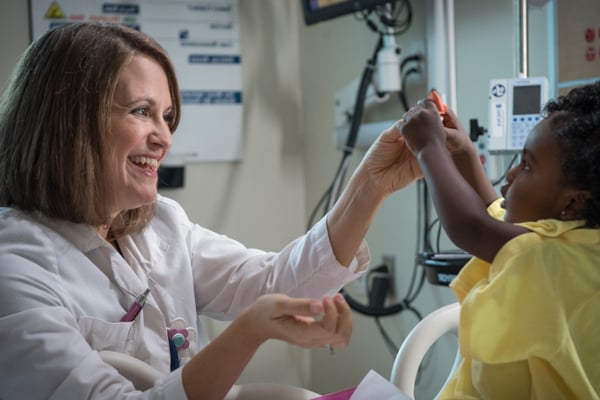
Our Approach to the Bachelor's in Nursing Program
While there are no specializations in this RN to BSN program, it provides students with a very holistic approach to nursing. It’s a well-rounded curriculum that encompasses everything from community health to physical assessment to pharmacology. Students are able to work with faculty to identify more specialized paths for their future direction.
American Public University also provides students with the opportunity to step outside of the online classroom occasionally in some course assignments. As an example, in Caring for Today's Veterans, students interview a military veteran and visit a Veteran Service Center to see what resources are available in their communities. It’s very flexible so it can be any kind of organization that serves veterans, and students can set up their visits when it's convenient for them.
American Public University's Bachelor of Science in Nursing offers a well-rounded look at the nursing profession, often helping to illuminate how important the training is.
American Public University’s RN to BSN Program Curriculum Overview
American Public University nursing courses are eight weeks long and designed for the working adult. Assignments and assessments are structured so everything is value added and directly linked to one of our course objectives or one of our program learning outcomes. A typical course would start week one with a discussion and the online discussion board, which requires students to log in, post an initial discussion, and respond to three of their peers to get a dialogue going.
Professors participate in those discussions and ask questions to elicit deeper thinking. In weeks when there are no discussions, students are completing different types of assignments. Assignments aim for variety so the student is not writing an essay every week.
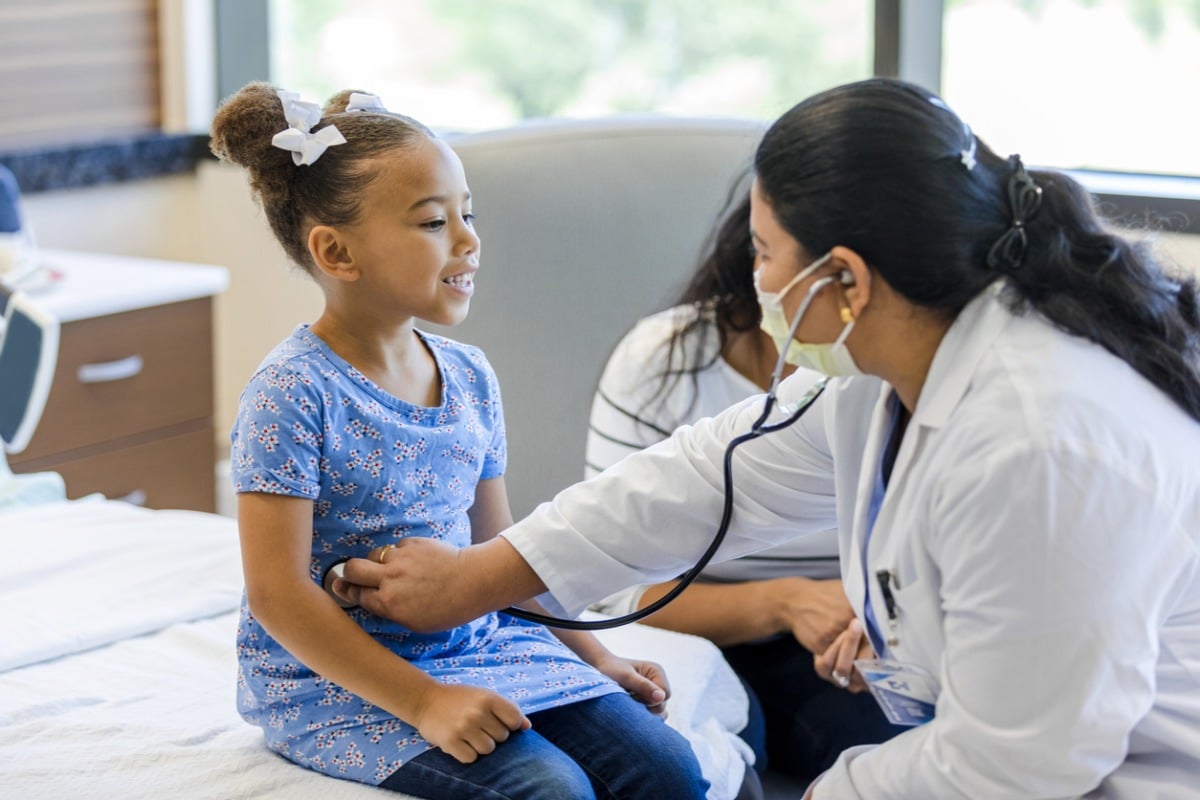
Featured Courses in American Public University's BSN Program
Featured courses in American Public University nursing include Professional Transitions in Nursing, Assessment, Evaluation and Clinical Decision-Making, Pathophysiology and Clinical Pharmacology, Science of Evidence-Based Practice, Transformational Leadership and Cultures of Safety, Emerging Scholarship and Trends in Healthcare, Caring for Today’s Veterans, Community Health I, and Informatics and Technology in Healthcare.

BSN Program Length
Program completion time depends on how many credits the student is able to transfer. As an example, if a student has a bachelor's degree in a field outside of nursing, then they only need to take American Public University’s 10 core nursing courses for their BSN degree, enabling the student to get through the program relatively quickly. However, if a student has an associate degree, they may need to take more courses, thus lengthening the time to program completion.
Transfer Credit Opportunities
In American Public University’s RN to BSN program, your registered nurse (RN) license automatically awards you 30 transfer credits. American Public University accepts up to 90 credits toward a bachelor’s degree. Here are other items that are eligible for transfer credit:
- Academic credit from accredited institutions of higher learning with regional and/or national accreditation.
- Military service, education, and training.
- Professional training and certification awarded through courses and institutes.
- Credit by examination offered through tests such as the College level Examination Program (CLEP) or DSST (formerly DANTES Subject Standardized Tests).
- Government training from a host of government agencies or affiliations.
- Prior learning. Students can enroll in our Prior Learning Assessment (PLA) program to receive academic credit for real-world experience gained through on-the-job knowledge, business management, and volunteering with organizations.
- Community college agreements with American Public University that match earned associate degrees with certain bachelor’s degree programs to maximize transfer credits. If you are a community college student, check to see if we have an agreement with your college. Submit a transfer credit evaluation to see if you can automatically earn up to 30 general education credits if you have graduated with an AA or AS degree.
Note: See complete transfer credit policies on our University website.
How the Faculty Stays Abreast of Industry Trends for American Public University’s BSN Program
American Public University's faculty works hard to ensure that the Bachelor of Science in Nursing program is relevant. They keep up with industry trends as practitioners in the field and also through a lot of research and reading. Stacey Malinowski, Associate Dean and Chief Nurse Administrator for the School of Health Sciences, keeps her training current by practicing in the intensive care environment to “keep my pulse on what is happening in healthcare organizations.”
The University also convenes a very active industry advisory council comprising key stakeholders from not just the University but also from the nursing profession. These include leaders from community colleges, healthcare organizations, and hospital nurse residency programs. American Public University’s faculty meets with these stakeholders to discover what their needs are: What are they seeing in new graduates and employees? Do gaps exist and, if so, what are they? What can the University do to help make sure that its graduates gain the required skills and competencies they need to be effective?
When nursing programs choose to seek accreditation, they are affirming their commitment to quality and continuous quality improvement. When nursing schools apply to one of the various agencies for accreditation, the process is very rigorous.
The program must carry out a complete self-study. The accrediting agency will delve into the faculty’s qualifications and resources provided by the University as a whole. They will look for answers to questions like: What is the curriculum? Is it relevant? Does it meet professional standards?
Once the self-study is submitted, the school seeking the accreditation hosts a visit with the accrediting agency. That agency sends out a team of reviewers who examine the self-study and validate the information therein. They visit classrooms, talk to students and faculty, and speak with the key stakeholders so that they’re confident the school is meeting the accreditation standards.
American Public University is part of American Public University System. The baccalaureate degree program in nursing at American Public University System is accredited by the Commission on Collegiate Nursing Education (www.ccneaccreditation.org). This accreditation indicates that the University has met their standards and demonstrated its commitment to continuous quality improvement.
Can a Bachelor’s in Nursing Be Earned Online?
American Public University’s BSN program is delivered in an online format and many students find that there are a lot of advantages to an online program over a traditional brick and mortar option. The online environment allows for many ways to learn, all of them much more media rich. Instead of sitting in a lecture for two or three hours, students watch videos, listen to podcasts, and read and analyze professional articles.
Students who choose online learning need to have good time management, good self-discipline, and be somewhat technologically savvy.

Benefits of Earning a Bachelor of Science in Nursing Online
American Public University's School of Health Sciences offers its online RN to BSN to provide busy nurses with a convenient, quality program that features coursework in evidence-based practice, clinical decision making, and community health.
The University's classes have weekly assignments, but there are no set login times, which affords working nurses with flexibility in completing course requirements. Earning this degree online is ideal for nurses who want to continue working while they learn and advance their nursing education.
Nursing Program Cost – How to Pay for This Degree
There are several options to fund your education. American Public University admission representatives can connect you with financial aid advisors who can answer questions about your options as well.
Are you a veteran? Look into veteran benefits from the U.S. Department of Veteran Affairs (VA) including the GI Bill®* and Veteran Readiness and Employment Service (VR&E) Benefits.
*GI Bill® is a registered trademark of the U.S. Department of Veterans Affairs (VA). More information about education benefits offered by VA is available at the official U.S. government website at https://www.benefits.va.gov/gibill
Admission Requirements
This program has specific admission requirements. This program is currently not open for admission to residents of Washington, D.C., or Washington state.
To apply to this program, you must hold the following:
- Associate degree in nursing or diploma from an accredited or board approved institution in nursing
- Current, active and unencumbered U.S. Registered Nursing (RN) license
- Signed Statement of Understanding (SOU)
Please be prepared to submit a legible copy of your valid government-issued photo ID (civilian students) or government-issued JST or CCAF transcript (military students) upon request.
Please read all undergraduate admission requirements before applying to this program and be prepared to submit the required documentation.
There is no fee to complete the APU admission application. View steps to apply.
Note: You must complete this program within 5 years of starting your first nursing (NURS) course.
An APU admissions representative will contact you via email or phone to assist you with the enrollment process, review your nursing license and documentation, and notify you when you have been admitted into the program and may register for courses.
Program Goals
The goals of the RN to BSN program are to:
- Prepare professional Registered Nurses for service and leadership roles
- Foster lifelong learning through a spirit of inquiry
- Promote inter-professional collaboration and engagement to meet present and future health care needs of a diverse and global society
- Provide a seamless transition for the Registered Nurse to earn a BSN degree and provide a foundation for graduate studies in nursing
Need Help?
Selecting the right program to meet your educational goals is a key step in ensuring a successful outcome. If you are unsure of which program to choose, or need more information, please contact an APU admissions representative at 877-755-2787 or info@apus.edu.
Quality Education Should Be Affordable
So you can focus on the opportunities ahead, without the financial burden of more expensive schools who are not as invested in your success. Learn more about paying for school.




Consumer Information
Disclosures
Maryland Residents learn more about costs, completion rates, median debt, and more.
1The University reserves the right to accept or deny credits according to policies outlined on our University website. Please see the University's transfer credit policy webpage for complete information.
*Cost Per Credit Hour
The Preferred Military Rate is $250 per credit hour for undergraduate and master's-level courses. This rate is available to all U.S. active-duty servicemembers, National Guard members, Reservists, and military families, including parents, spouses, legal partners, siblings, and dependents.
See all military student benefits.
Cost of Attendance
Learn more about American Public University's cost components and full cost of attendance.